Kutsume Sind Eesti Dobermanniühingu üldkoosolekule, mis toimub 14.03.2026 kell 18.00 Eesti Kennelliidu koosolekute saalis (Alajaama 8,Tallinn).
Päevakord:
EDÜ majandusaasta aruande kinnitamine
EDÜ juhatuse tagasikutsumine ja uue juhatuse valimine
EDÜ 2026.a tegevuskava
muud küsimused
2025. aasta parimate autasustamine
Palume oma osalemisest teatada esimesel võimalusel või edastada volitus originaalallkirjaga paberkandjal või digitaalselt allkirjastatuna koosoleku toimumise hetkeks eesti.dobermanniyhing@gmail.com
Palun veendu, et sinu 2026. aasta EDÜ liikmemaks on tasutud hiljemalt koosoleku hetkeks. 2026. aasta liikmemaks summas 20 eur
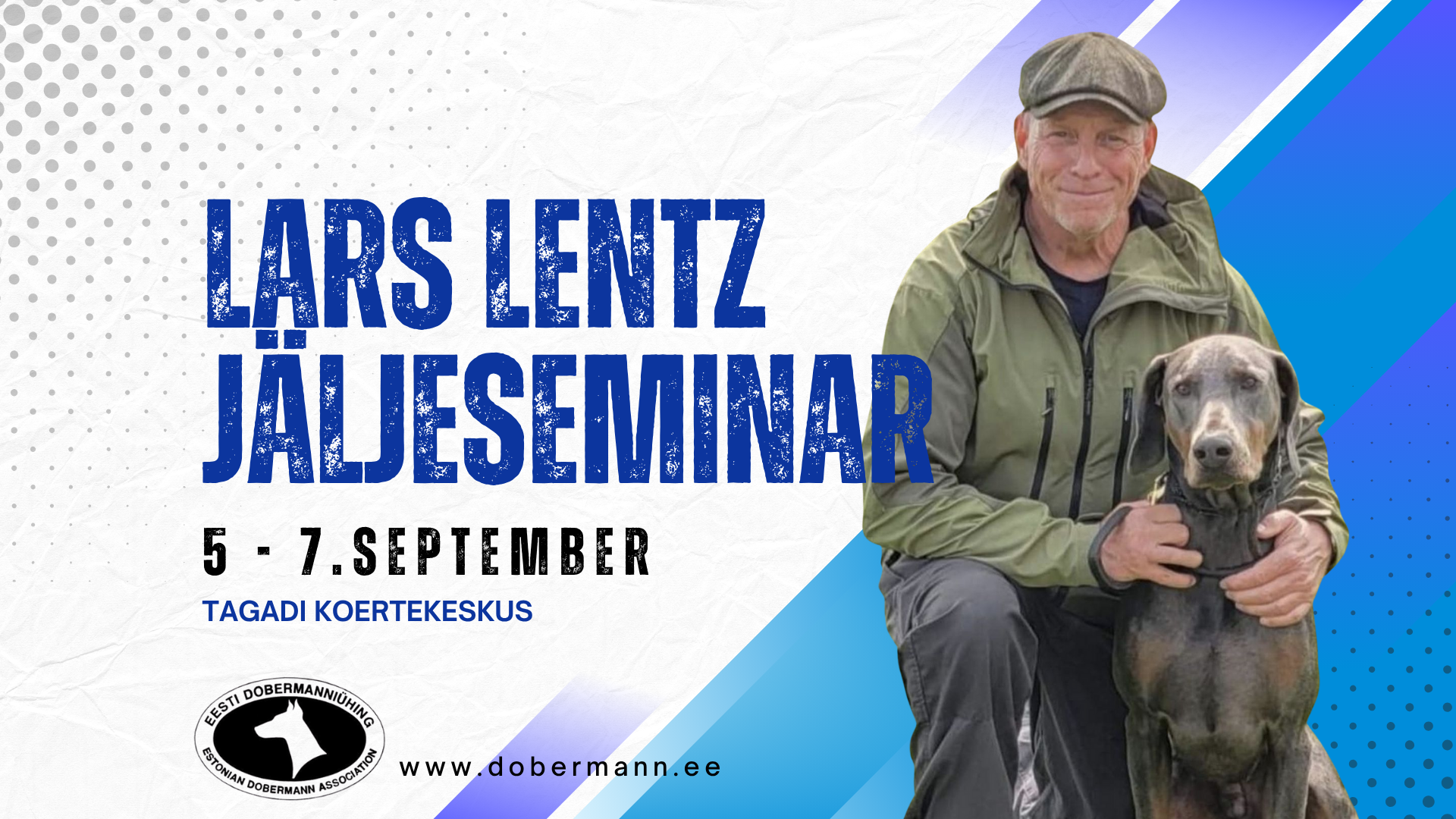
Keel: seminar toimub inglise keeles tõlkega eesti keelde
Koolitajast: Lars on kogenud ja kaasahaarav esineja, kellel on ette näidata mitmeid silmapaistvaid tulemusi nii enda koolitatud koertega kui ka treenerina ning ta on aidanud lugematul arvul koer/koerajuht tiimidel jäljes häid tulemusi saavutada.
Larsi jäljeseminarid on sedavõrd nõutud, et ta töötab täiskohaga jäljekoolitajana ning reisib ümber maailma, et oma teadmisi jagada
Seminari sisu: seminar koosneb suures osas teooriast (vähemalt 65% seminarist), mistõttu see annab hea tervikpildi jäljekoolitusest kõikidel tasemetel koerajuhtidele. Tule osale ja saa uusi mõtteid/ideid oma jäljekoolituse edasi viimiseks! Pakume lisaks piiratud arvule koerajuhtidele võimalust osaleda koertega, kes saavad täpsemaid näpunäiteid kuidas teooriat oma koerte koolituses rakendada ja probleeme lahendada.
Päev (õhtu)
Õhtune loeng mis keskendub üldisele jäljekoolituse teooriale ja koerajuhtimise metoodikale
Päev (täispikk koolituspäev)
Koeraga osalejad näitavad ette lühikese jälje andmaks koolitajale ettekujutuse koolitustasemest ja probleemidest
Loeng mis keskendub üldisele jäljekoolituse teooriale ja koerajuhtimise metoodikale
Praktiline jäljeseminar põllul
Päev (täispikk koolituspäev)
Praktiline jäljeseminar põllul
Loeng: sh eksamiks/võistluseks valmistumine ja spetsiifilised koolituselemendid nagu esemete näitamine ja ristuvad jäljed
Korraldaja jätab õiguse teha ajakavas muudatusi lähtuvalt seminari päeva oludest.
Kellele: seminar sobib kõikidel tasemetel jäljekoolituse huvilistele sõltumata sellest kas oled alles alustamas või juba kogenud koerajuht, kuid eriti FH või IGP jäljeosaks valmistujatele.
NB! Kuna koertega osalejate arv on piiratud ning soovime tagada, et seminaril osaleks koolitustaseme, vanuse ning lahendamist vajavate probleemide osas mitmekesine valik koeri, siis koeraga osaleda soovijate osas kogume esialgu üksnes huviavaldusi ning kinnitame osalejate valiku hiljemalt 10.08.2025. Seega vormi täitmine tagab igal juhul koha kuulajana, kuid koeraga osalejate kohad kinnitame eraldi meili teel.
Koha tagab mitte-tagastatava ettemaksu tasumine 50% osalustasu summast.
Osalustasu palun tasuda peale e-mail teel registreerumiskinnituse saamist (st koeraga osalejada soovijad peale 10.08.2025):
Language: the seminar will be held in English with a translation into Estonian
About the instructor: Lars is an experienced and engaging speaker who has a number of outstanding results both with the dogs he has trained himself and as well as in the role of an instructor. He has helped countless dog/handler teams achieve good results in tracking.
Lars’s tracking seminars are in such high demand that he works full-time as a lecturer and travels around the world to share his knowledge
Content of the seminar: The seminar consists largely of theory (at least 65% of the seminar), so it gives a good overview of tracking training for dog handlers at all levels. Come and participate and get new thoughts/ideas for taking your tracking training forward!
We can offer the opportunity to participate with dogs to a limited number of handlers, who will receive more detailed guidance on how to apply theory to their dog training and solve their current issues.
Day (evening)
A lecture that focuses on general tracking training theory and dog handling methodology
Day (full day)
Participants with a dog demonstrante a short track to give the instructor an idea of the level of training and relevant problems
A lecture that focuses on general tracking training theory and dog handling methodology
Practical tracking seminar in the field
Day (full day)
Practical tracking seminar in the field
Lecture: including preparing for a trial and specific training elements such as showing articles and how to train cross-tracks.
The organiser reserves the right to make changes to the schedule based on the conditions of the seminar day.
For who: the seminar is suitable for those interested in tracking training at all levels, regardless of whether you are just starting out or already an experienced dog handler. The seminar is especially relevant for anyone who is preparing for trials in FH or IGP tracking.
Price:
Participant with a dog:
Non-member 200 €
EDA member 160 €
Listener:
Non-member 120 €
EDA member 100 €
The participation fee does not include accommodation or catering.
NB! As the number of participants with dogs is limited and we want to ensure that a diverse selection of dogs would participate in the seminar in terms of training level, age, breed and problems that need to be solved, we will initially only collect expressions of interest in participating with dogs and confirm the selection of participants by 10.08.2025 at the latest.
Therefore, filling in the form guarantees a place as a spectator, but the places of participants with a dog will be confirmed separately by email.
A place is guaranteed by paying a non-refundable prepayment of 50% of the amount of the participation fee.
Please pay the participation fee after receiving the registration confirmation by e-mail (i.e participants with dogs after 10.08.2025):
To: ESTONIAN DOBERMAN ASSOCIATION
IBAN: EE021010022005006006
SWIFT (BIC): EEUHEE2X
In case of questions don’t hesitate to contact us:
* Saada täidetud registreerimisleht e-postiga eesti.dobermanniyhing@gmail.com Kui koer pole varem EDÜ erinäitusel osalenud ning ei ole EST-registris, tuleb saata ka tõutunnistuse koopia ning kasutus- ja tšempionklassi registreerimisel seda õigust kinnitavad dokumendid.
* Maksa osalustasu Eesti Dobermanniühingu pangakontole (SEB) EE021010022005006006, selgitusse kirjuta registreeritava koera nimi. Osalustasu võib tasuda ka näituse päeval sularahas.
Mitteametlikud klassid:Beebiklass – koerad vanuses 4 – 6 kuud, valitakse Tõu Parim Beebi. Kutsikaklass – koerad vanuses 6 – 9 kuud, valitakse Tõu Parim Kutsikas. Honor Class– koerad, kes on vähemalt ühe riigi või rahvusvahelised välimikutšempionid. Selles klassis antakse ainult kirjeldus ning võisteldakse klassikohtadele. Koerad ei saa hinnet ning ei võistle SERT´ile ega TP tiitlile.
Ametlikud klassid:Juuniorklass – koerad vanuses 9 – 18 kuud, võistlevad JUN SERT´ile ja TPJ ning TP tiitlile. Noorteklass – koerad vanuses 15 – 24 kuud, võistlevad SERT´ile ja TP tiitlile. Avaklass, kasutusklass, tšempioni-klass – koerad vaanuses üle 15 kuu, võistlevad SERT´ile ja TP tiitlile. Veteraniklass – koerad vanuses üle 8 aasta, võistlevad VET SERT´ile ja TPV ning TP tiitlile.
Muud võistlused: Paaride võistlus – võistlevad vähemalt hinde ‘vh’ saanud ühe omaniku isane ja emane koer; Kasvatajaklass – võistlevad ühe kasvataja 3-5 kasvandikku, kes peavad olema pärit vähemalt kahest erinevast vanemate kombinatsioonist ning saanud vähemalt hinde ‘vh’; Järglasteklass – võistlevad vähemalt hinde ‘vh’ saanud 3-5 aretusisase või -emase järglast vähemalt kahest erinevast vanemate kombinatsioonist.
Nõuded osalejatele:
Kõik koerad peavad olema vaktsineeritud marutaudi, koertekatku, nakkusliku hepatiidi ja parvoviroosi vastu. Kõik koerad peavad olema märgistatud (ID-tätoveering või mikrokiip). Koerad, kelle kõrvad ja/või saba on kupeeritud ja on sündinud peale 01.08.2013 ei või näitusel osaleda.
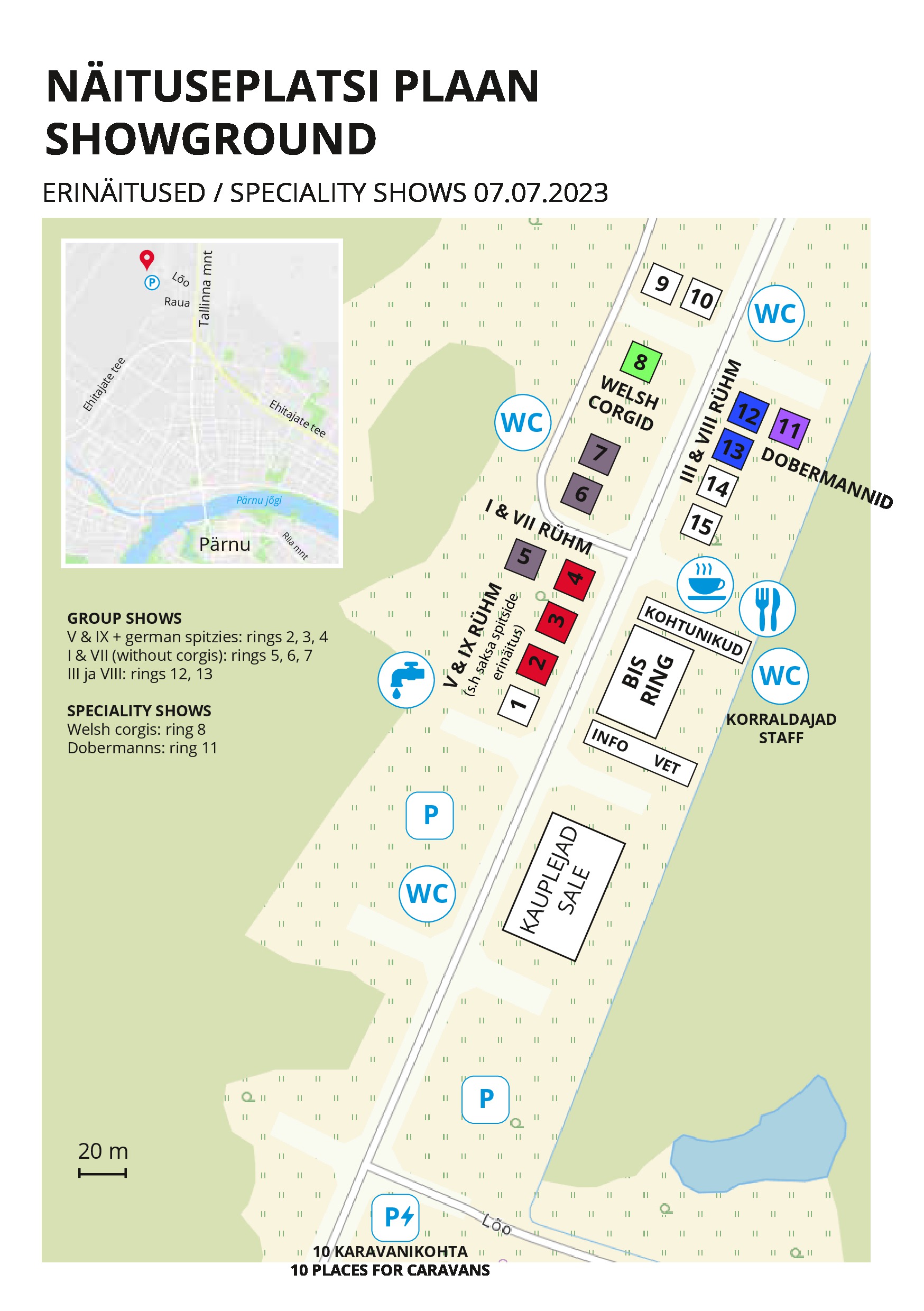
Toimumiskohas toimub samaaegselt mitmeid erinäitusi. Näitusekeskuse kaart koos EDÜ erinäituse asukohaga on näidatud allpool ning EDÜ erinäituse ringi asub kuulekuse platsil, mis on markeeritud joonisel oranžiga.
Kokku registreerus näitusele 30 koera (+paarid, kasvatajaklass ja järglaste klass). Kataloogi jagatakse elektrooniliselt e-posti teel näitusepäeva hommikul kell 8.00 ja tehakse üritusel kättesaadavaks.
NB! Eesti Dobermannide Ühingu erinäituse kohtunik, hr Anton Spindler, hindab samal päeval ka teisi sõltumatuid erinäitusi ning kuna kõikide hinnatavate erinäituste osalejate koguarv ületab tema hindamislimiiti päeva kohta, palusime alternatiivseks kohtunikuks pr Laura Asensi de Langlois’l Hispaaniast.Pr Laura Asensi de Langlois hindab pruune dobermanne roostepunaste märgistega kõigis kategooriates. Lisateavet pr Laura Asensi de Langlois’ kohta leiate tema kenneli veebisaidilt: https://siliumkennel.com/. Vabandame võimalike ebamugavuste pärast, mis võivad tekkida viimase hetke kohtunikuvahetusest mõjutatud osalejatele, ning palume teil meile teada anda, kui kohtunikuvahetus mõjutab teie otsust EDÜ erinäitusel osaleda.
Näitusele registreerumine ja osalejanumbrite jagamine toimub sekretariaadis, mis asub ringi kõrval.
Kui soovite tasuda osalustasu sularahas, palume võtta kaasa täpne summa. Alternatiivina saab osalustasu tasuda Eesti Dobermannide Ühingu (SEB) arveldusarvele EE021010022005006006. Makse sooritamisel palume selgitusse kirjutada registreeritud koera nimi.
Kõik koerad peavad olema vaktsineeritud marutaudi, katku, nakkusliku hepatiidi ja parvoviiruse vastu. Kõik koerad peavad olema märgistatud (ID-tätoveering või mikrokiip).
Näitusepaigas on kohal veterinaar, juhuks kui tema abi on vaja.
Aeg: 18. mai 2025 Koht: Saku Spordikeskuse harjutusväljak ja selle ümbrus
Tule ja pane end proovile või ela kaasa Eesti kõige kuulekamatele koertele! Võistlusklassid: KK-1, KK-2, KK-3 Avatud kõikidele tõugudele Kohtunik: Aivo Oblikas
Eesti Dobermanniühingu Meistritiitel Kuulekuskoolituses 2025 omistatakse kõrgeimas ehk kolmandas astmes parima tulemuse saanud dobermannile! Võistluse tulemus läheb arvesse ka EKL Aasta sportkoera ja koerajuhi konkursil.
Osalustasu: • EDÜ liikmele: 35 € / koer • Mitteliikmele: 45 € / koer Makseinfo: EE021010022005006006 (Eesti Dobermanniühing) Selgitusse: KOERA NIMI ja VÕISTLUSKLASS Võistleja loetakse registreerunuks, kui osalemistasu on makstud ja registreerimine esitatud registreerimisaja jooksul. Võistlustest osavõtmiseks on nõutav, et koer on nõuetekohaselt vaktsineeritud ja märgistatud (tätoveeritud või kiibitud).
Kutsume Sind Eesti Dobermanniühingu üldkoosolekule, mis toimub 2.03.2025 kell 10.00 Eesti Kennelliidu koosolekute saalis (Alajaama 8,Tallinn).
Päevakord:
EDÜ majandusaasta aruande kinnitamine
EDÜ 2025.a tegevuskava
Aasta Parima konkursi tingimuste arutelu/muudatusettepanekud
muud küsimused
2024. aasta parimate autasustamine
Palume oma osalemisest teatada esimesel võimalusel või edastada volitus originaalallkirjaga paberkandjal või digitaalselt allkirjastatuna koosoleku toimumise hetkeks eesti.dobermanniyhing@gmail.com
Palun veendu, et sinu 2025. aasta EDÜ liikmemaks on tasutud hiljemalt koosoleku hetkeks. 2025. aasta liikmemaks summas 20 euri palume tasuda Eesti Dobermanniühingu kontole (SEB): EE021010022005006006
16.06.2024 Koeraspordiliidu Tabasalu treeningplats Kohtunik: Katrin Mänd
Võistlus toimub kõigis kolmes astmes (KK-1, KK-2, KK-3), on avatud kõikidele tõugudele ja osaleb EKL punktiarvestuses. Eesti Dobermanniühingu Meistritiitel Kuulekuskoolituses 2024 omistatakse kõrgeimas ehk kolmandas astmes parima tulemuse saanud dobermannile! Võistluse tulemus läheb arvesse EKL aasta sportkoera ja koerajuhi konkursil
* Saada täidetud registreerimisleht e-postiga eesti.dobermanniyhing@gmail.com Kui koer pole varem EDÜ erinäitusel osalenud ning ei ole EST-registris, tuleb saata ka tõutunnistuse koopia ning kasutus- ja tšempionklassi registreerimisel seda õigust kinnitavad dokumendid.
* Maksa osalustasu Eesti Dobermanniühingu pangakontole (SEB) EE021010022005006006, selgitusse kirjuta registreeritava koera nimi. Osalustasu võib tasuda ka näituse päeval sularahas.
Mitteametlikud klassid:Beebiklass – koerad vanuses 4 – 6 kuud, valitakse Tõu Parim Beebi. Kutsikaklass – koerad vanuses 6 – 9 kuud, valitakse Tõu Parim Kutsikas. Honor Class– koerad, kes on vähemalt ühe riigi või rahvusvahelised välimikutšempionid. Selles klassis antakse ainult kirjeldus ning võisteldakse klassikohtadele. Koerad ei saa hinnet ning ei võistle SERT´ile ega TP tiitlile.
Ametlikud klassid:Juuniorklass – koerad vanuses 9 – 18 kuud, võistlevad JUN SERT´ile ja TPJ ning TP tiitlile. Noorteklass – koerad vanuses 15 – 24 kuud, võistlevad SERT´ile ja TP tiitlile. Avaklass, kasutusklass, tšempioni-klass – koerad vaanuses üle 15 kuu, võistlevad SERT´ile ja TP tiitlile. Veteraniklass – koerad vanuses üle 8 aasta, võistlevad VET SERT´ile ja TPV ning TP tiitlile.
Muud võistlused: Paaride võistlus – võistlevad vähemalt hinde ‘vh’ saanud ühe omaniku isane ja emane koer; Kasvatajaklass – võistlevad ühe kasvataja 3-5 kasvandikku, kes peavad olema pärit vähemalt kahest erinevast vanemate kombinatsioonist ning saanud vähemalt hinde ‘vh’; Järglasteklass – võistlevad vähemalt hinde ‘vh’ saanud 3-5 aretusisase või -emase järglast vähemalt kahest erinevast vanemate kombinatsioonist.
Nõuded osalejatele:
Kõik koerad peavad olema vaktsineeritud marutaudi, koertekatku, nakkusliku hepatiidi ja parvoviroosi vastu. Kõik koerad peavad olema märgistatud (ID-tätoveering või mikrokiip). Koerad, kelle kõrvad ja/või saba on kupeeritud ja on sündinud peale 01.08.2013 ei või näitusel osaleda.
Kutsume Sind Eesti Dobermanniühingu üldkoosolekule, mis toimub 12.03.2024 kell 18.00 Eesti Kennelliidu koosolekute saalis (Alajaama 8, Tallinn).
Päevakord:
EDÜ majandusaasta aruande kinnitamine
EDÜ juhatuse tagasikutsumine ja uue juhatuse valimine
EDÜ 2024. aasta tegevuskava
muud küsimused
2023. aasta parimate autasustamine.
Palume oma osalemisest teatada hiljemalt 10.märtsiks või edastage volitus, originaalallkirjaga paberkandjal või digitaalselt allkirjastatuna koosoleku toimumise hetkeks aadressil eesti.dobermanniyhing@gmail.com .
Palun veendu, et sinu 2024. aasta EDÜ liikmemaks on tasutud hiljemalt koosoleku hetkeks. 2024. aasta liikmemaks summas 20 euri palume tasuda Eesti Dobermanniühingu kontole (SEB): EE021010022005006006
Jälje kogunemispunktis toimub ühtlasi ligipääsetavuse kontroll, jäljenööride mõõtmine, kiibikontroll ja stardijärjekordade loosimine. Palume mitte hilineda ja tulla piisava ajavaruga.
Viimane päev registreerimiseks: 28.august.2023 kell 23:59
Osaleja loetakse registreerunuks peale registreerimisvormi täitmist registreerimisaja jooksul, osalustasu laekumist ja EDÜ poolt registreerumise kinnituse saatmist
Võistlustest osavõtmiseks on nõutav, et koer on nõuetekohaselt vaktsineeritud ja märgistatud (tätoveeritud või kiibitud)
Esmakordselt ametlikus klassis osalejatel palume võistlusraamatu vajadusest teada anda registreerumisel
Indlevad emased sooritavad eksami viimastena, palume innaajast teada anda vähemalt viimasel registreerumise päeval või kohe, kui innaaeg algab
Dobermannide erinäitus/Dobermann Show RING 11 Näituse osalejanumbrid ja kataloogi saab näitusel/ Participation numbers and cataloque you will get at show place
Kokku 36 koera /total 36 dogs Pruunid ja mustad dobermannid hinnatakse eraldi v.a. beebid ja kutsikad./Black and brown dobermanns will be judged separately ex. babies and puppies.
Peale näitust, kell 18.00 ootame kõiki tõukoolitusele, kus erinäituse kohtunik Marete Dalgaard annab ülevaate dobermanni tõu standardist ja hindamisest. Osalemine eelregistreerimisega, tasu 15 euri. Koolitus toimub Lille 4, Pärnu, kabinet C203
After Club Show you are welcome to the breed seminar, where our judge Marete Dalgaard gives an overview about standard and judging of the breed. Venue Lille 4, Pärnu, room C203
Soodustus alates teisest sama omaniku koerast – 5 euri (v.a. beebid, kutsikad, veteranid, honor), kehtib koerte samaaegsel registreerimisel.
Registreerimiseks:
* veebis http://online.kennelliit.ee/ online registreerimise süsteemis NB! Online süsteemis ei saa registreerida honor klassi koeri, palun saata honor klassi registreerimine e-posti kaudu!
* Saada täidetud registreerimisleht e-postiga eesti.dobermanniyhing@gmail.com Kui koer pole varem EDÜ erinäitusel osalenud ning ei ole EST-registris, tuleb saata ka tõutunnistuse koopia ning kasutus- ja tšempionklassi registreerimisel seda õigust kinnitavad dokumendid.
* Maksa osalustasu Eesti Dobermanniühingu pangakontole (SEB) EE021010022005006006, selgitusse kirjuta registreeritava koera nimi. Info: eesti.dobermanniyhing@gmail.com
Hindamisklassid :
Mitteametlikud klassid:Beebiklass – koerad vanuses 4 – 6 kuud, valitakse Tõu Parim Beebi. Kutsikaklass – koerad vanuses 6 – 9 kuud, valitakse Tõu Parim Kutsikas. Honor Class– koerad, kes on vähemalt ühe riigi või rahvusvahelised välimikutšempionid. Selles klassis antakse ainult kirjeldus ning võisteldakse klassikohtadele. Koerad ei saa hinnet ning ei võistle SERT´ile ega TP tiitlile.
Ametlikud klassid:Juuniorklass – koerad vanuses 9 – 18 kuud, võistlevad JUN SERT´ile ja TPJ ning TP tiitlile. Noorteklass – koerad vanuses 15 – 24 kuud, võistlevad SERT´ile ja TP tiitlile. Avaklass, kasutusklass, tšempioni-klass – koerad vaanuses üle 15 kuu, võistlevad SERT´ile ja TP tiitlile. Veteraniklass – koerad vanuses üle 8 aasta, võistlevad VET SERT´ile ja TPV ning TP tiitlile.
Muud võistlused:Paaride võistlus – võistlevad vähemalt hinde ‘vh’ saanud ühe omaniku isane ja emane koer; Kasvatajaklass – võistlevad ühe kasvataja 3-5 kasvandikku, kes peavad olema pärit vähemalt kahest erinevast vanemate kombinatsioonist ning saanud vähemalt hinde ‘vh’; Järglasteklass – võistlevad vähemalt hinde ‘vh’ saanud 3-5 aretusisase või -emase järglast vähemalt kahest erinevast vanemate kombinatsioonist.
Nõuded osalejatele:
Kõik koerad peavad olema vaktsineeritud marutaudi, koertekatku, nakkusliku hepatiidi ja parvoviroosi vastu. Kõik koerad peavad olema märgistatud (ID-tätoveering või mikrokiip). Koerad, kelle kõrvad ja/või saba on kupeeritud ja on sündinud peale 01.08.2013 või näitusel osaleda.
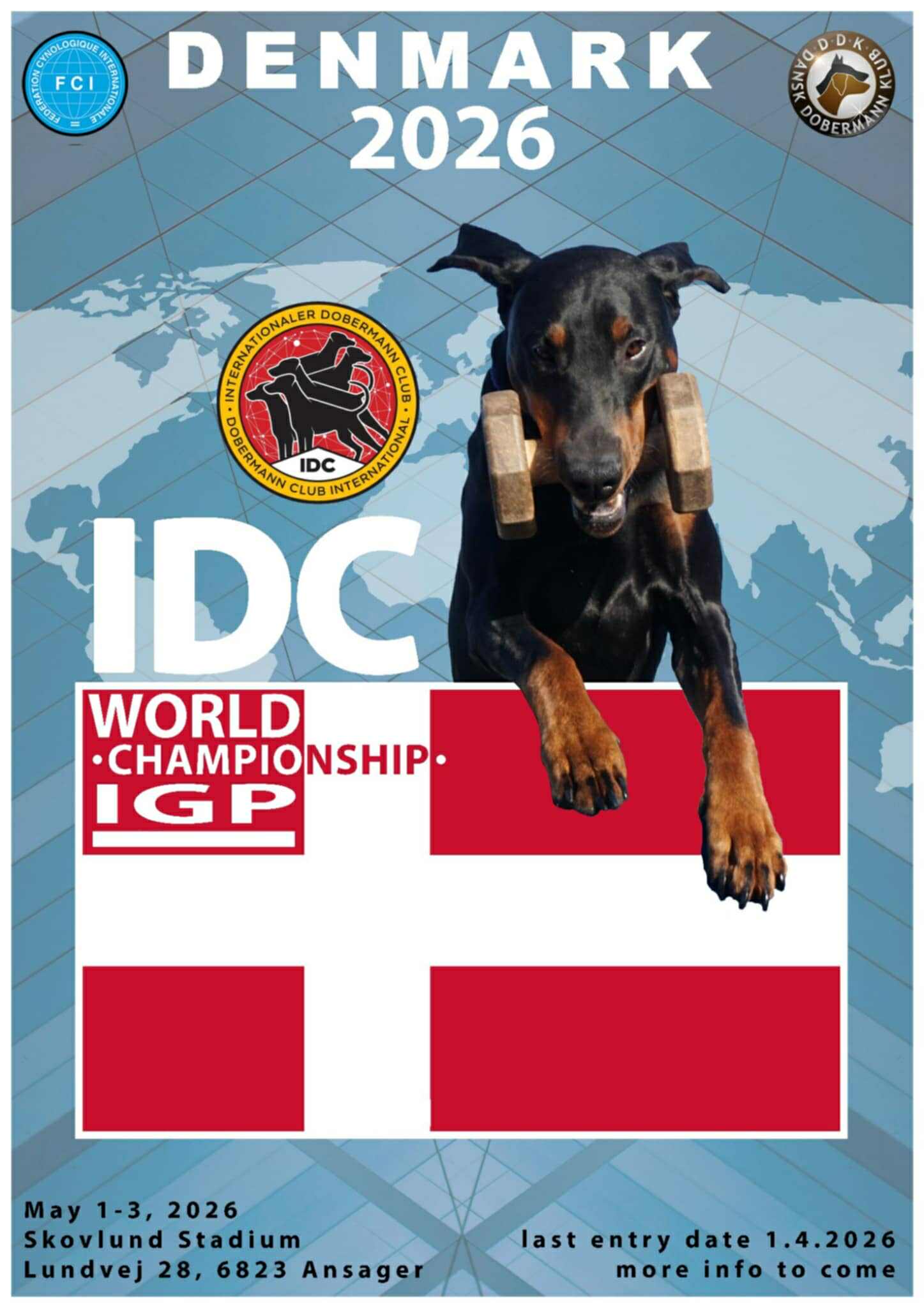

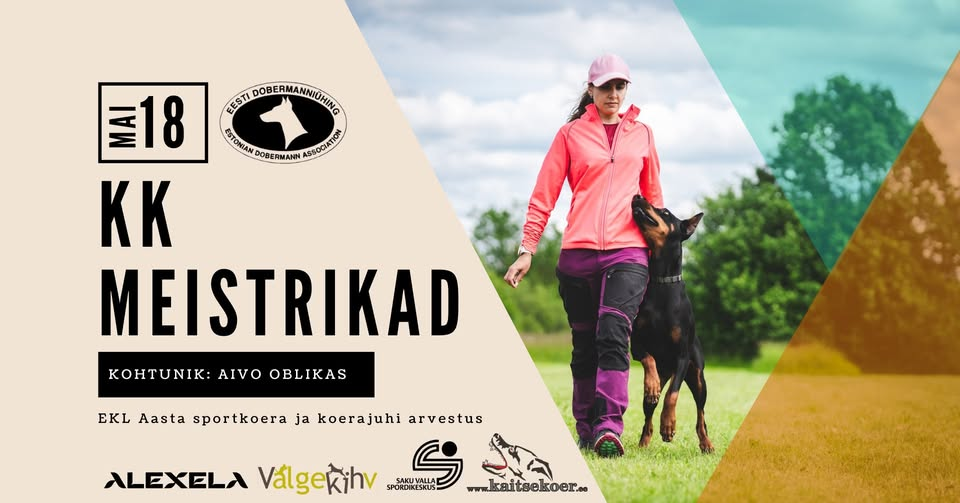
 Võistlusklassid: KK-1, KK-2, KK-3
 Avatud kõikidele tõugudele
 Kohtunik: Aivo Oblikas
 Eesti Dobermanniühingu Meistritiitel Kuulekuskoolituses 2025 omistatakse kõrgeimas ehk kolmandas astmes parima tulemuse saanud dobermannile!
 Võistluse tulemus läheb arvesse ka EKL Aasta sportkoera ja koerajuhi konkursil.
 Viimane registreerimispäev: 08.mai.2025.
 Registreeri siin:
  Osalustasu:
 Makseinfo:
 Küsimused ja info:
 Peakorraldaja EDÜ Manuela Kelt, eesti.dobermanniyhing@gmail.com |
  512 4540 |
 Suur tänu toetajatele: Valgekihv,